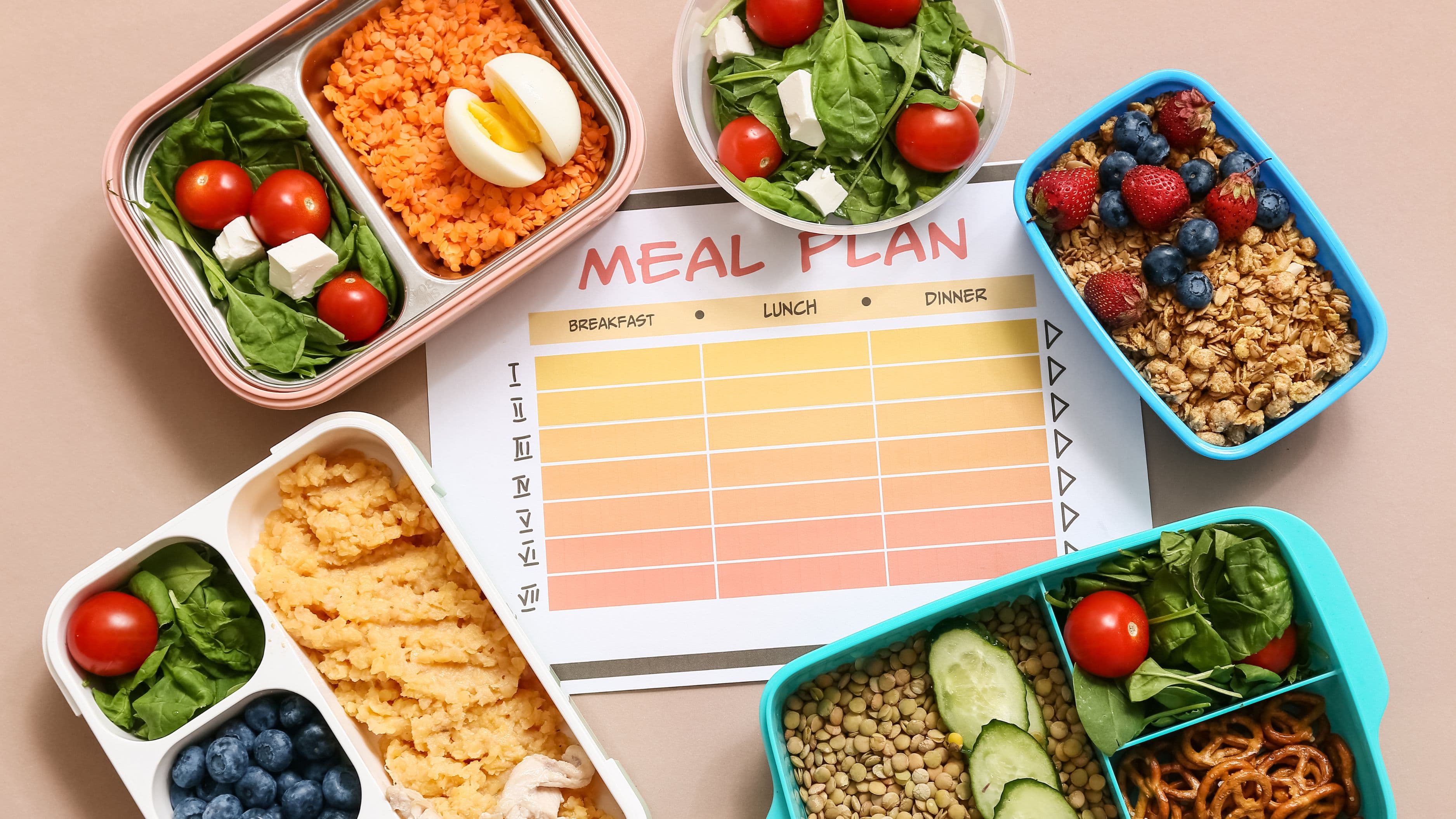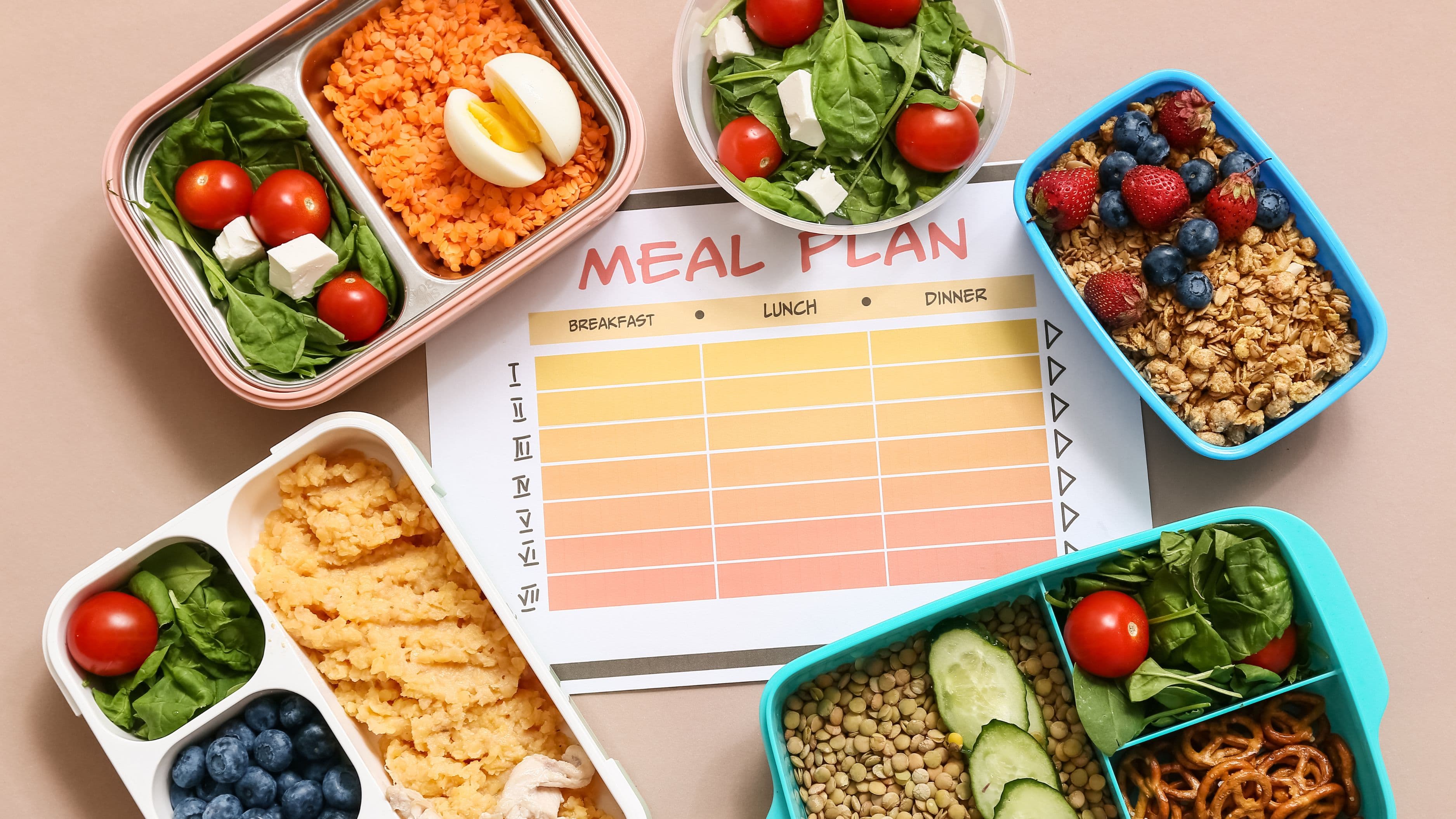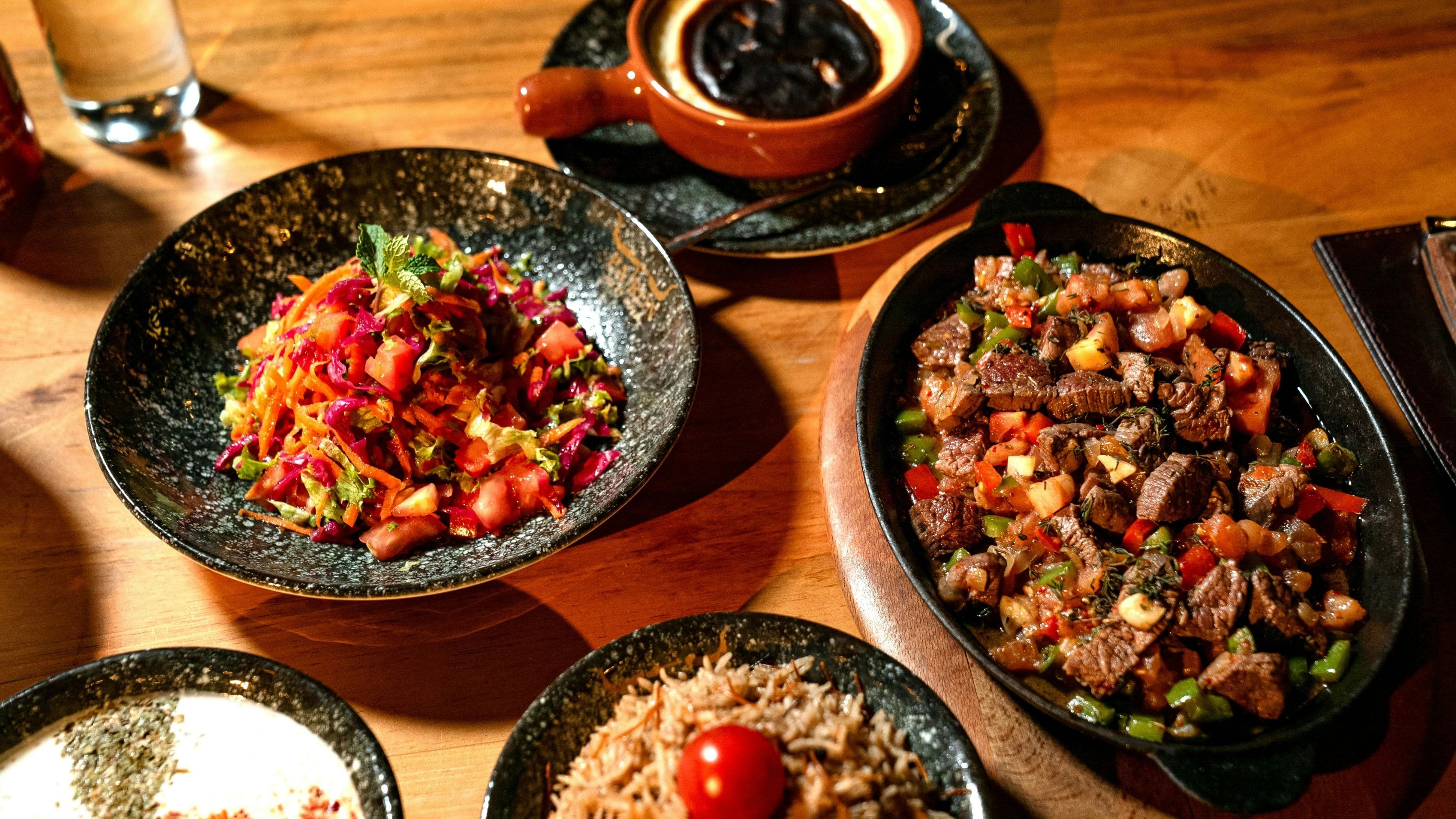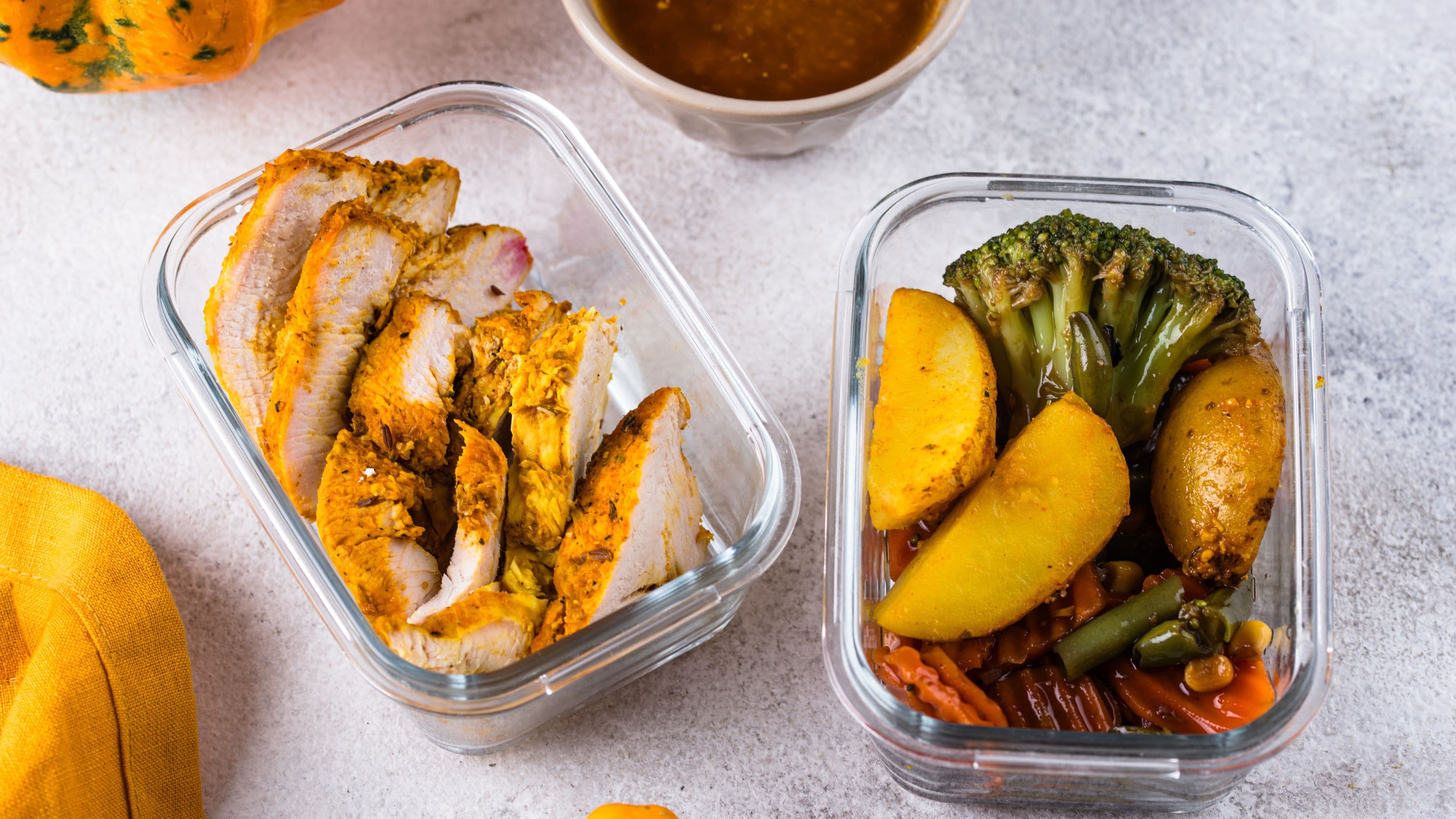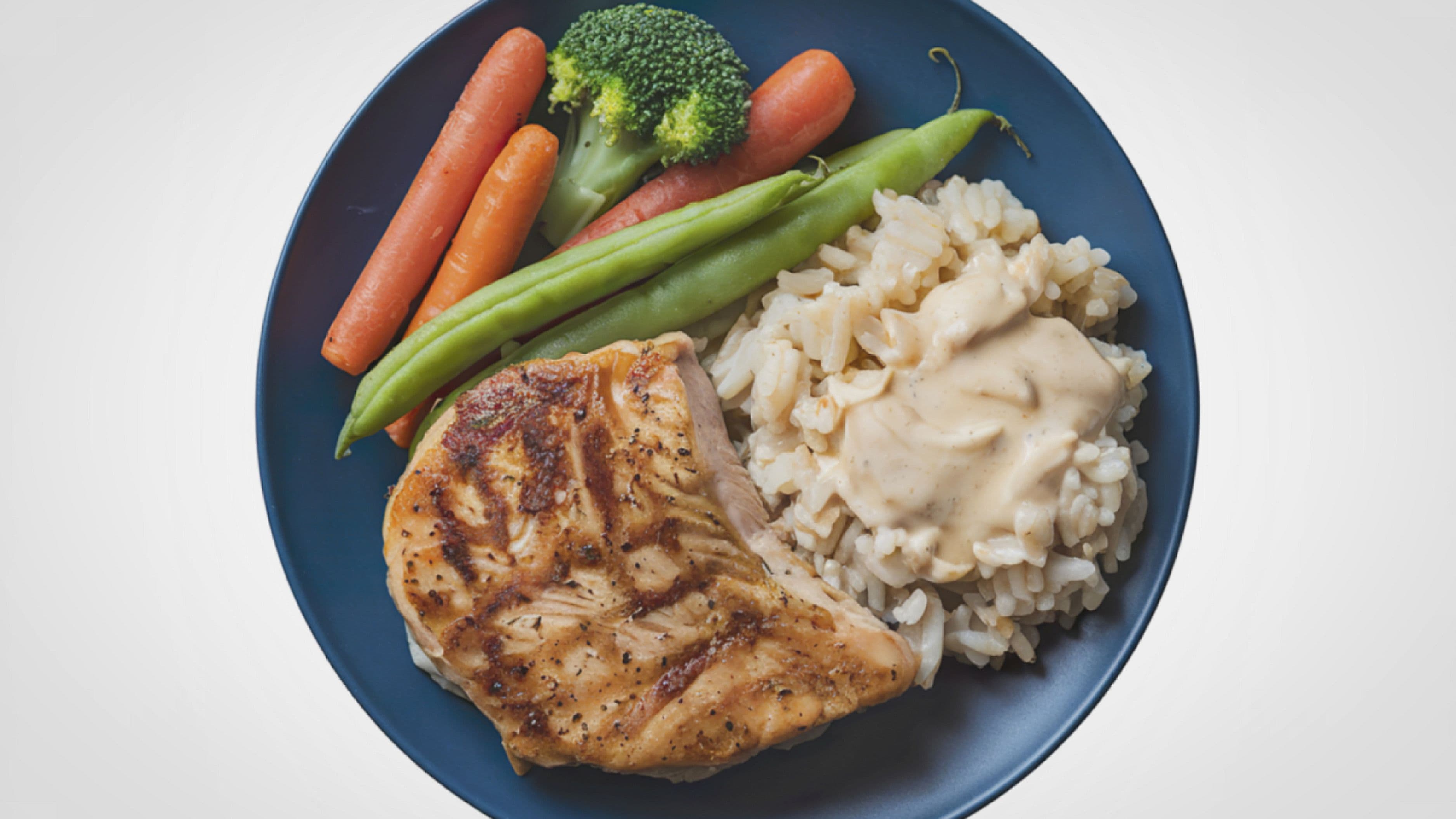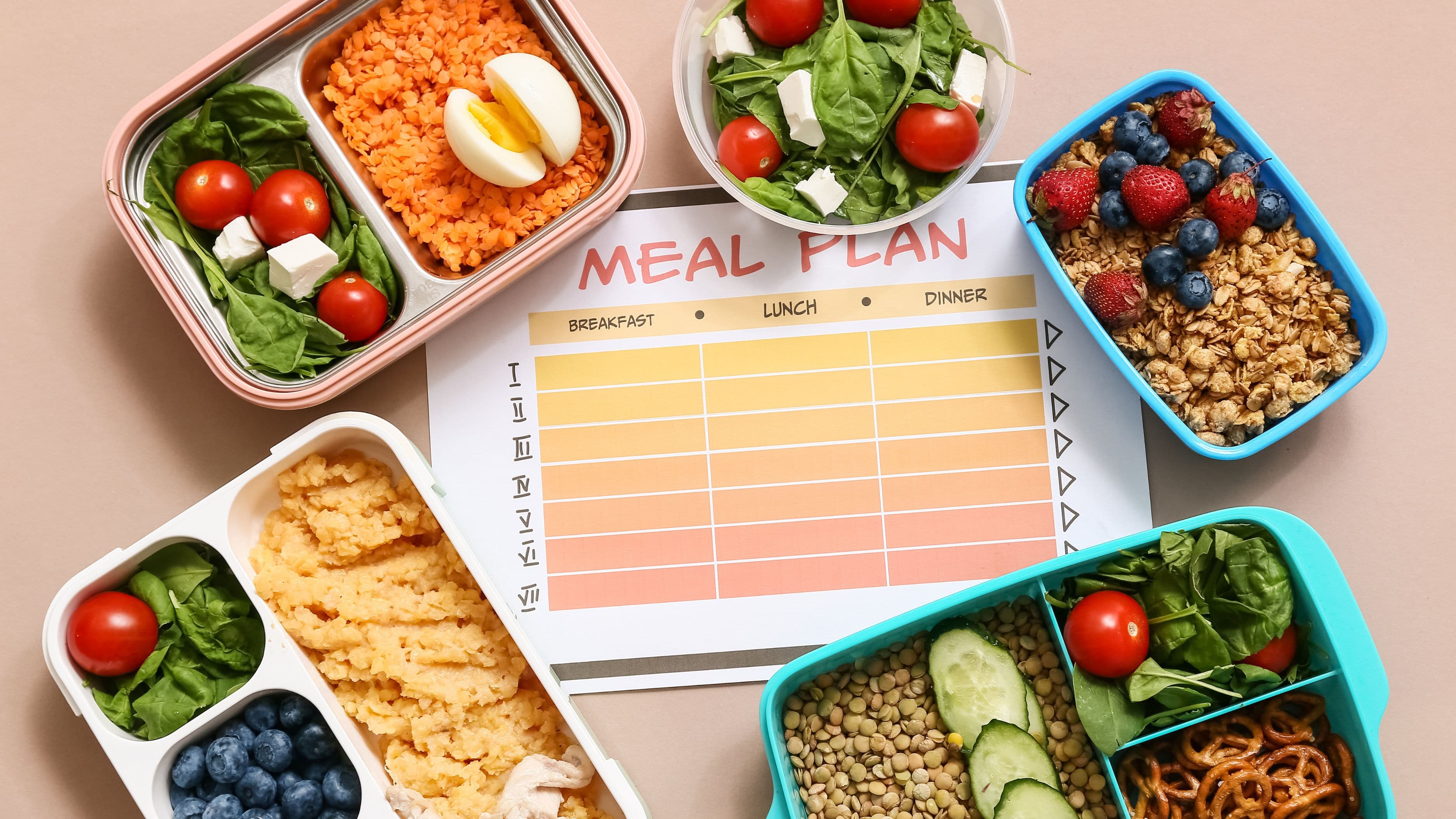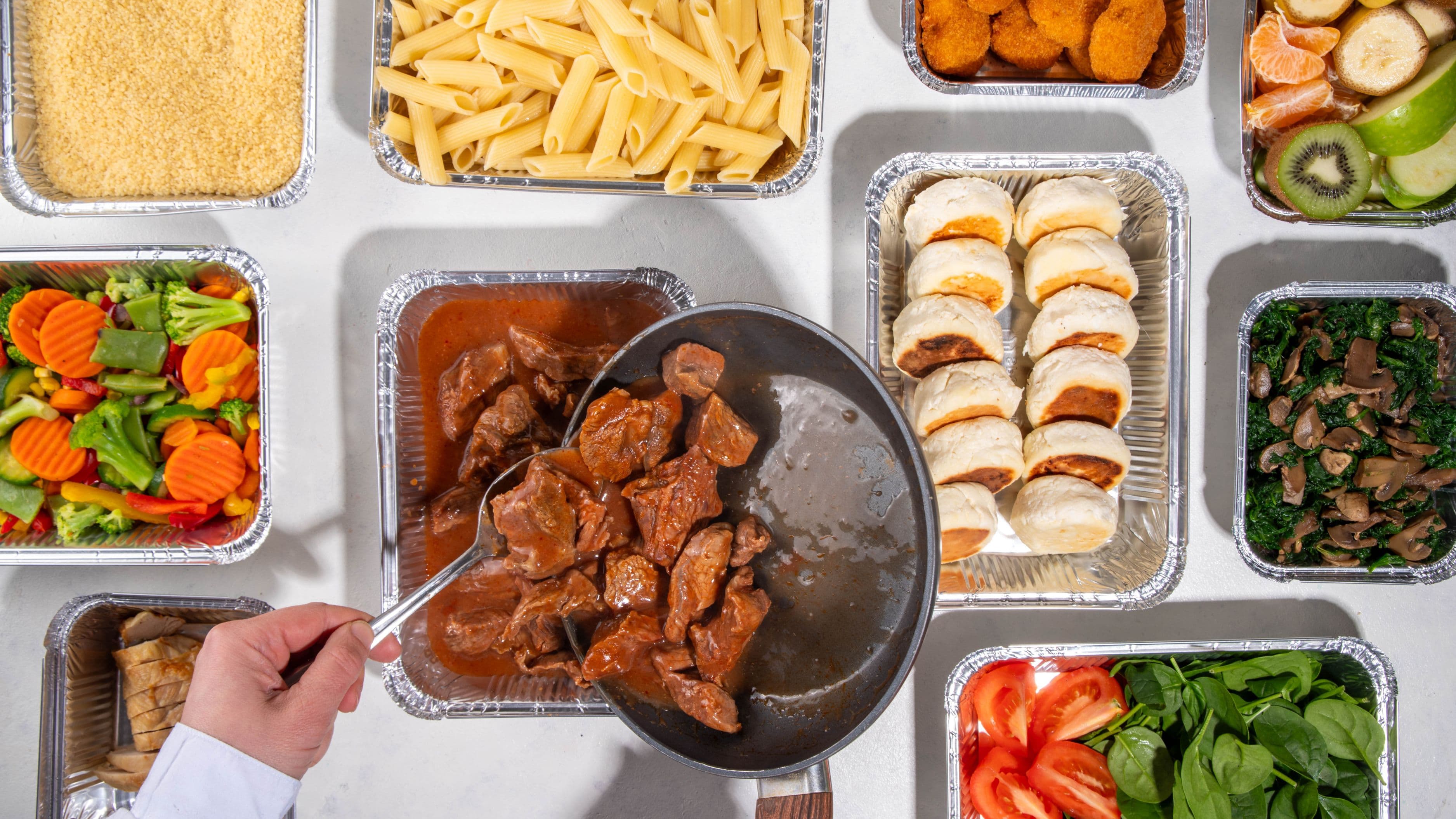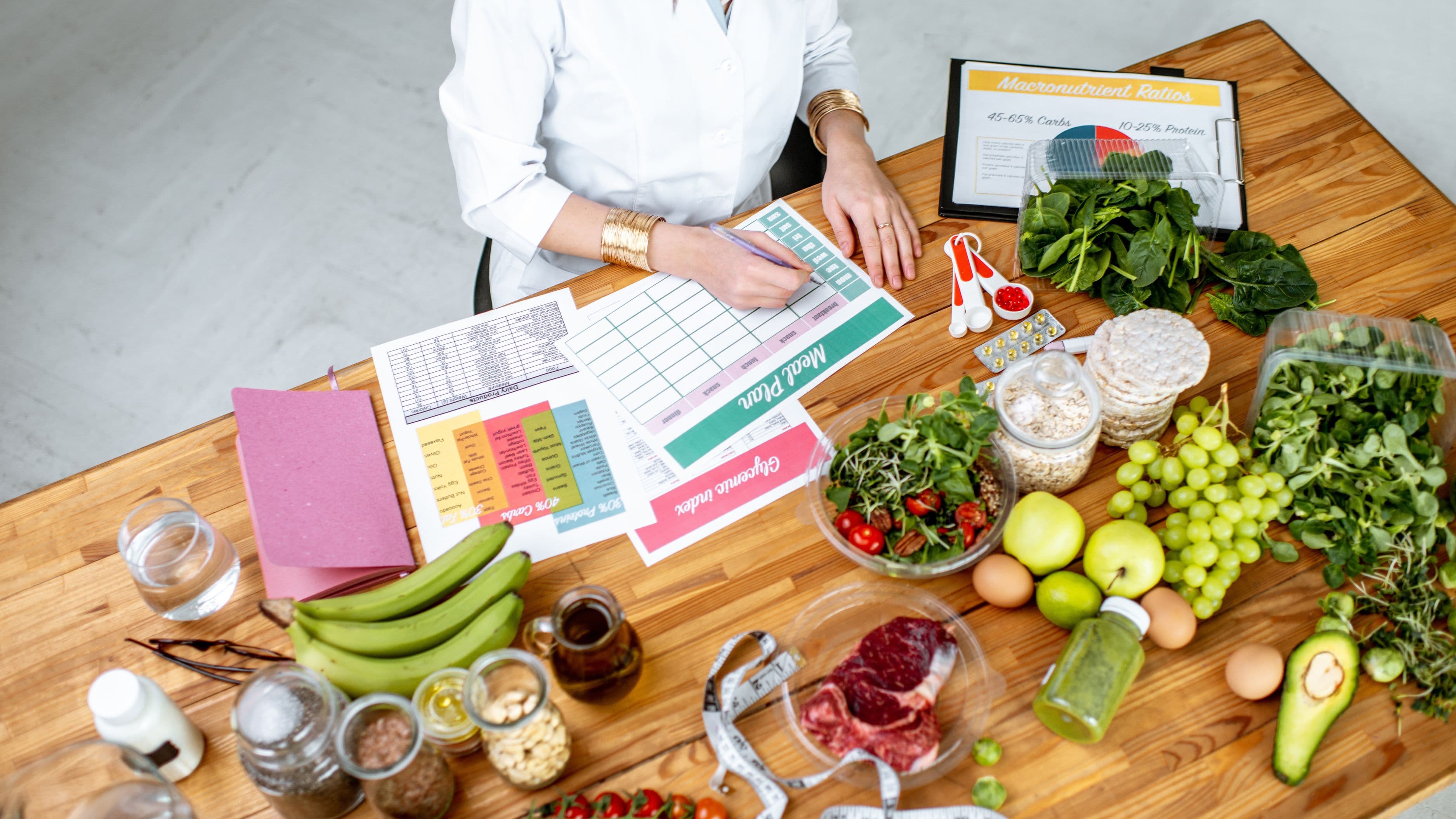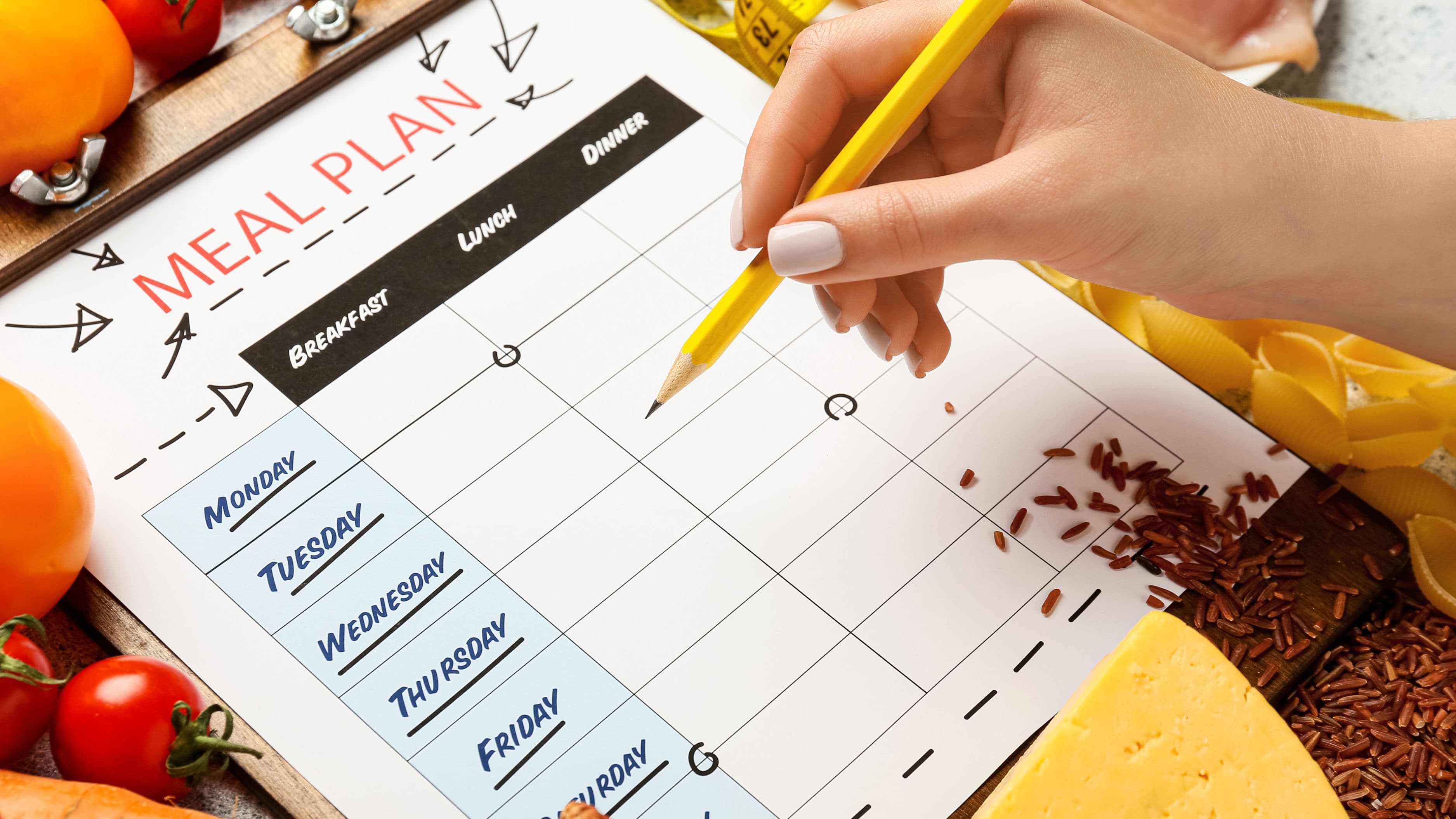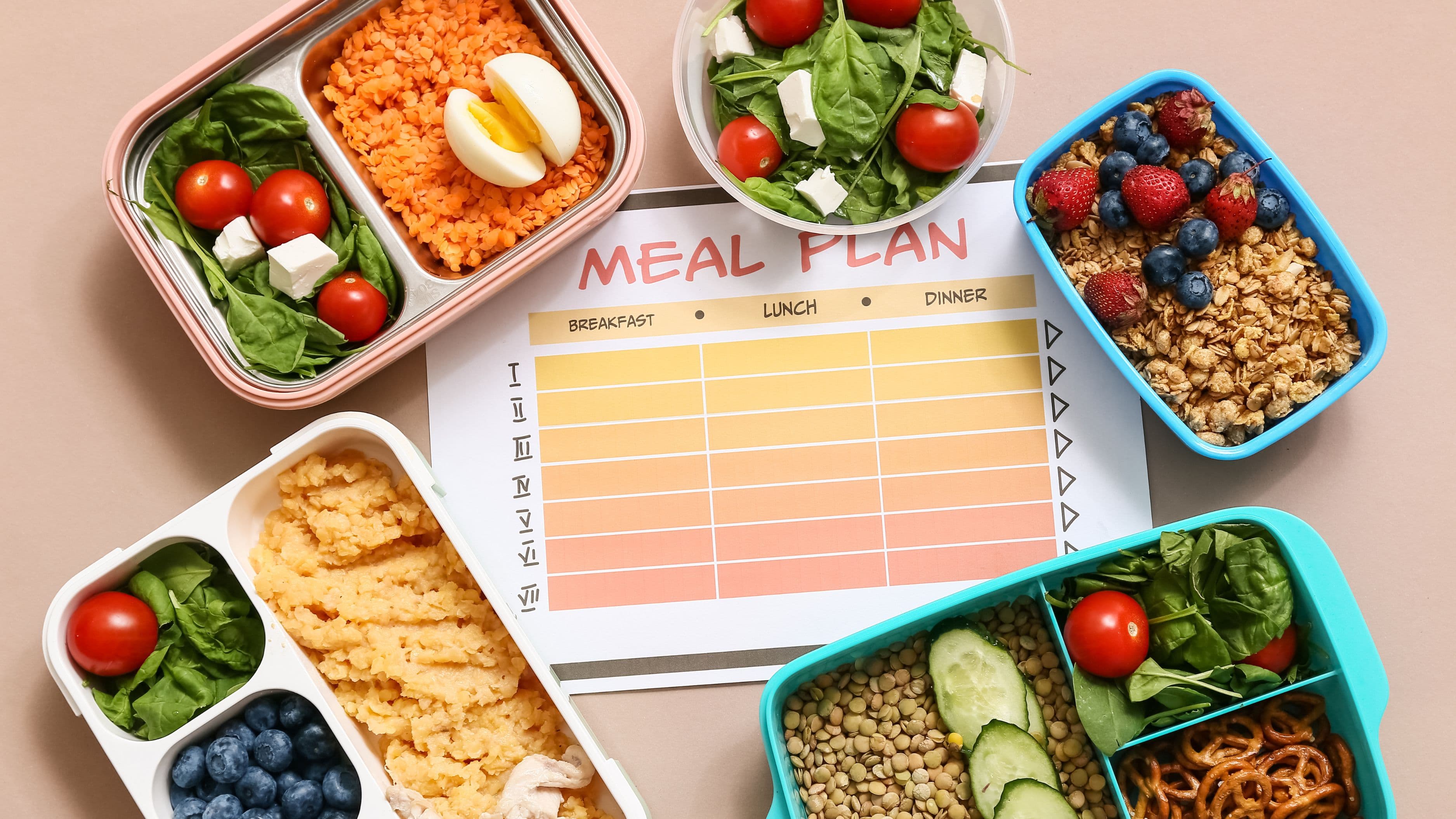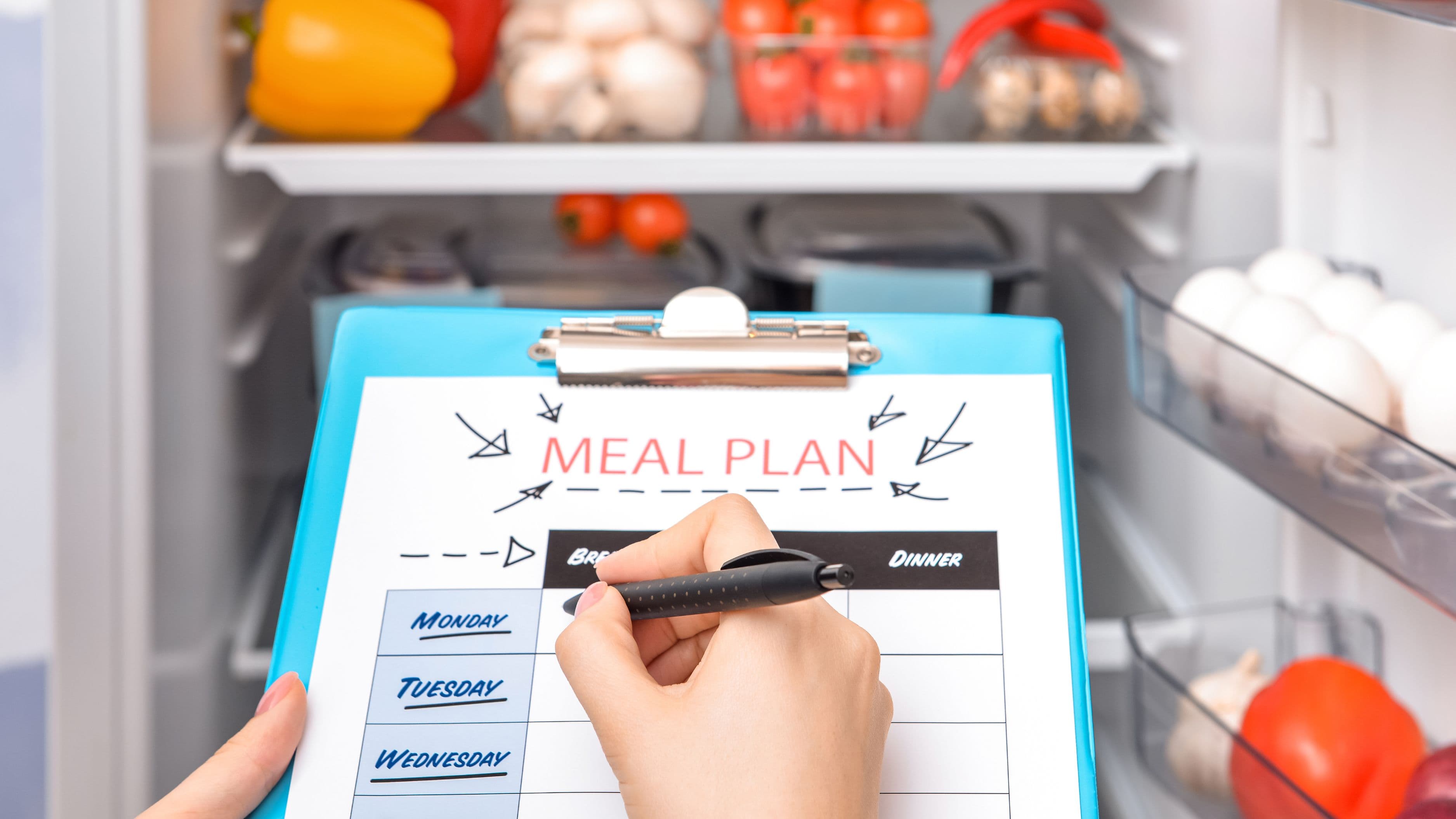
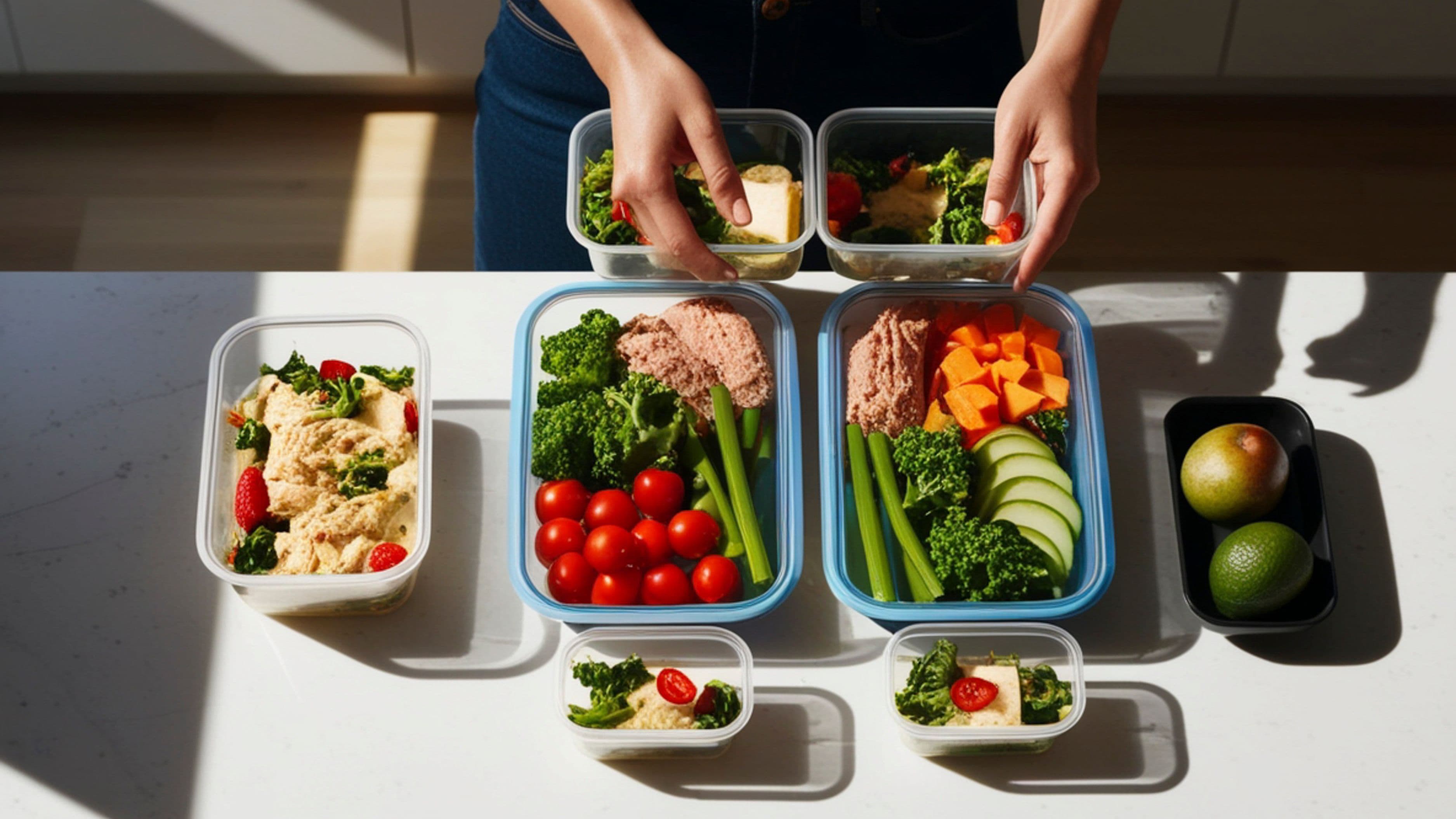
The difference between a plan that wastes food and one that doesn't comes down to one thing: intentionality about how ingredients connect across meals. When your shopping list and your meal plan are designed together, with each ingredient appearing in more than one place, food waste drops dramatically without requiring extra effort or adventurous cooking.
What "Zero Waste" Actually Means in a Home Kitchen
Zero-waste meal planning in practice means getting close to zero avoidable food waste – not obsessing over the last few drops of an ingredient or keeping a kitchen like a restaurant prep station. A realistic home kitchen version of this has three goals: buy what you'll use, use what you buy, and find a second life for anything that doesn't fit neatly into the first two.
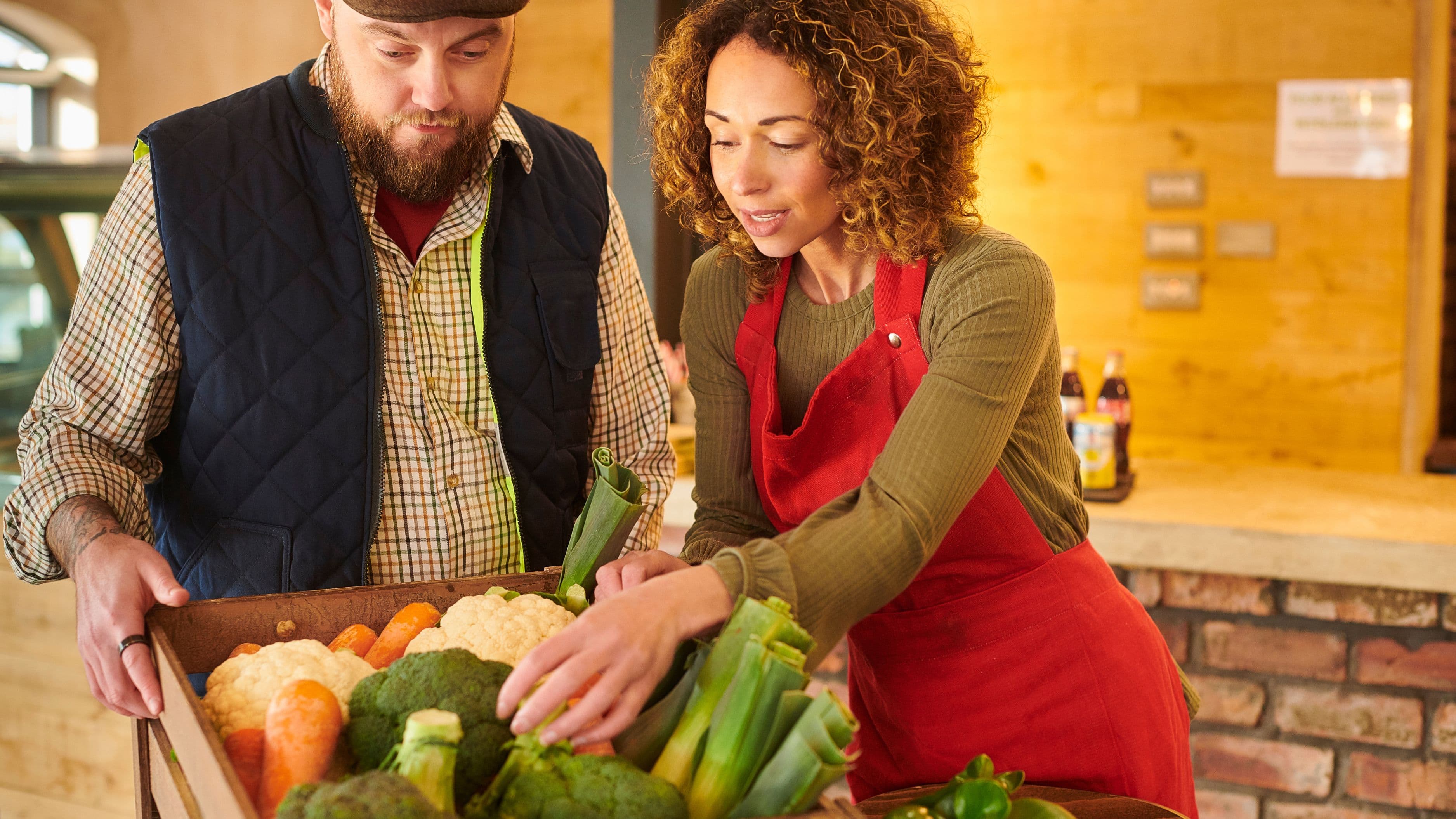
It's worth being honest about what this approach involves upfront. Zero-waste meal planning requires planning meals as a connected system rather than picking five unrelated dinners for the week. It means thinking about how a half-used ingredient from one recipe becomes the base for another. It involves some intentional shopping: choosing whole vegetables over pre-cut, buying loose where possible, and being strategic about quantities. None of this is difficult, but it does require a short weekly planning session rather than shopping from memory or habit.
The Core Strategy: Ingredient Overlap
The foundational principle of zero-waste meal planning is that each perishable ingredient you buy should appear in at least two meals during the week. This single rule eliminates the majority of food waste because nothing is purchased for a single purpose and left with no clear home.
Here's how it plays out in practice. If you buy a bunch of kale, one meal uses it as a cooked side dish and another uses it in a salad or a grain bowl. If you buy a block of firm tofu, one dinner is a stir fry and a second is a soup where tofu cubes are added late. If you buy a bunch of fresh herbs – parsley, say – one recipe uses it as a garnish or a sauce, and a second uses the remainder in a salad dressing or blended into a quick marinade before it wilts. If you open a can of coconut milk for a curry, the remaining half goes into a morning smoothie or a sauce for a second dinner later in the week.
This sounds more calculated than it feels in practice. Once you get into the habit of thinking about ingredient overlap when planning, it becomes automatic – you naturally reach for meals that share building blocks rather than meals that each need their own separate shopping list.
Step 1: Start With Your Perishables, Not Your Recipes
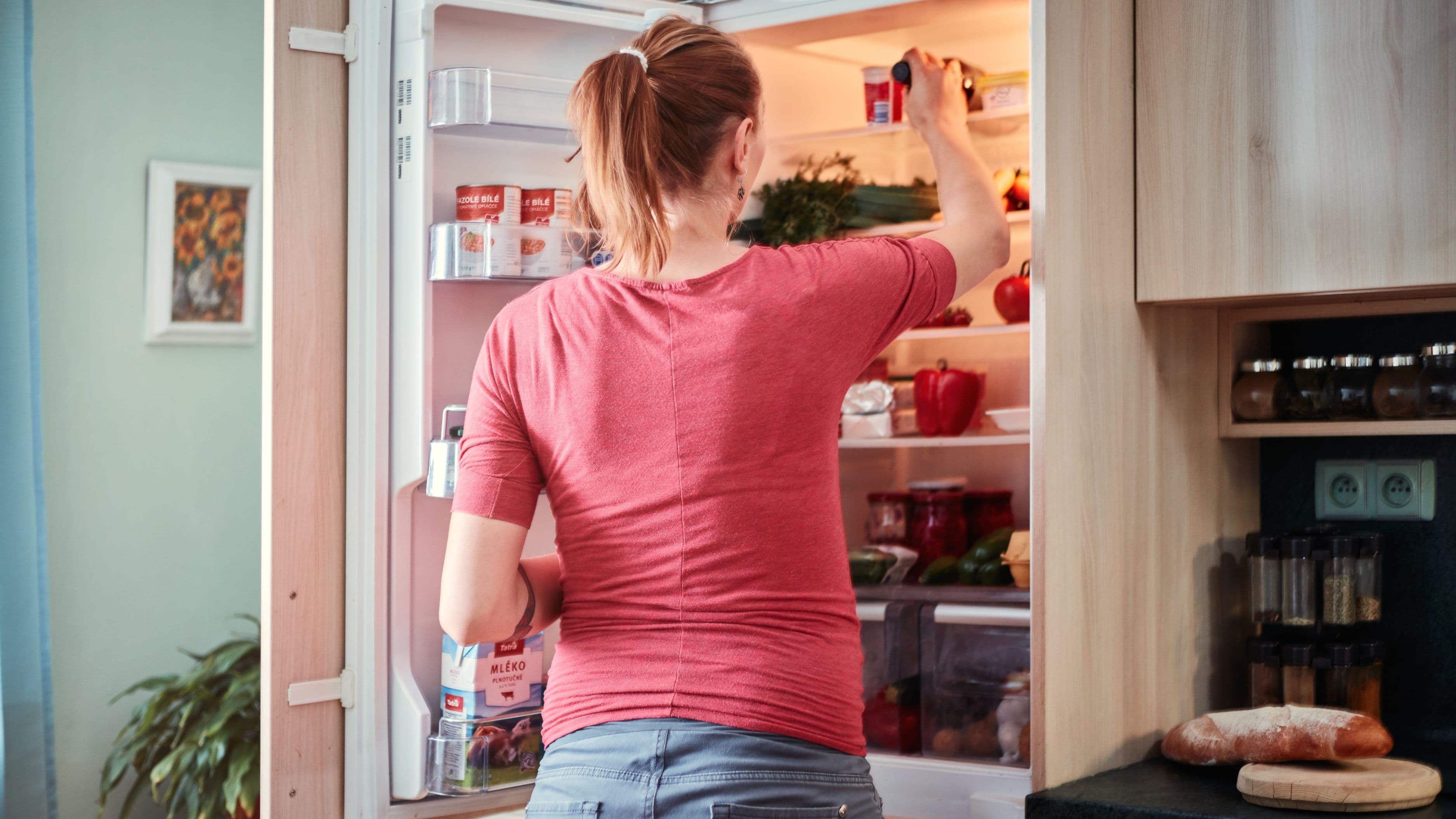
Most people plan meals first and then write a shopping list. Zero-waste planning reverses this. Start by noting what perishables you already have – vegetables with a limited shelf life, open dairy, herbs, anything that needs to be used this week. Plan at least one or two meals around those ingredients before adding anything new to the list.
This "use what you have first" approach is the most direct route to cutting waste because it addresses the most common cause of it: buying new ingredients while already having similar things in the fridge that never got used. A simple weekly fridge audit before you plan – even just a two-minute look at what's in the vegetable drawer and on the middle shelf – changes what you buy and what you cook.
Step 2: Build Around Anchor Ingredients
Choose two or three ingredients that will anchor the week's cooking. These are typically a protein, a grain or legume, and one or two versatile vegetables that appear across multiple meals in different forms. The anchor ingredient does the structural work of the plan – it appears early in the week as a main component and later in the week as a supporting ingredient or in a transformed state.
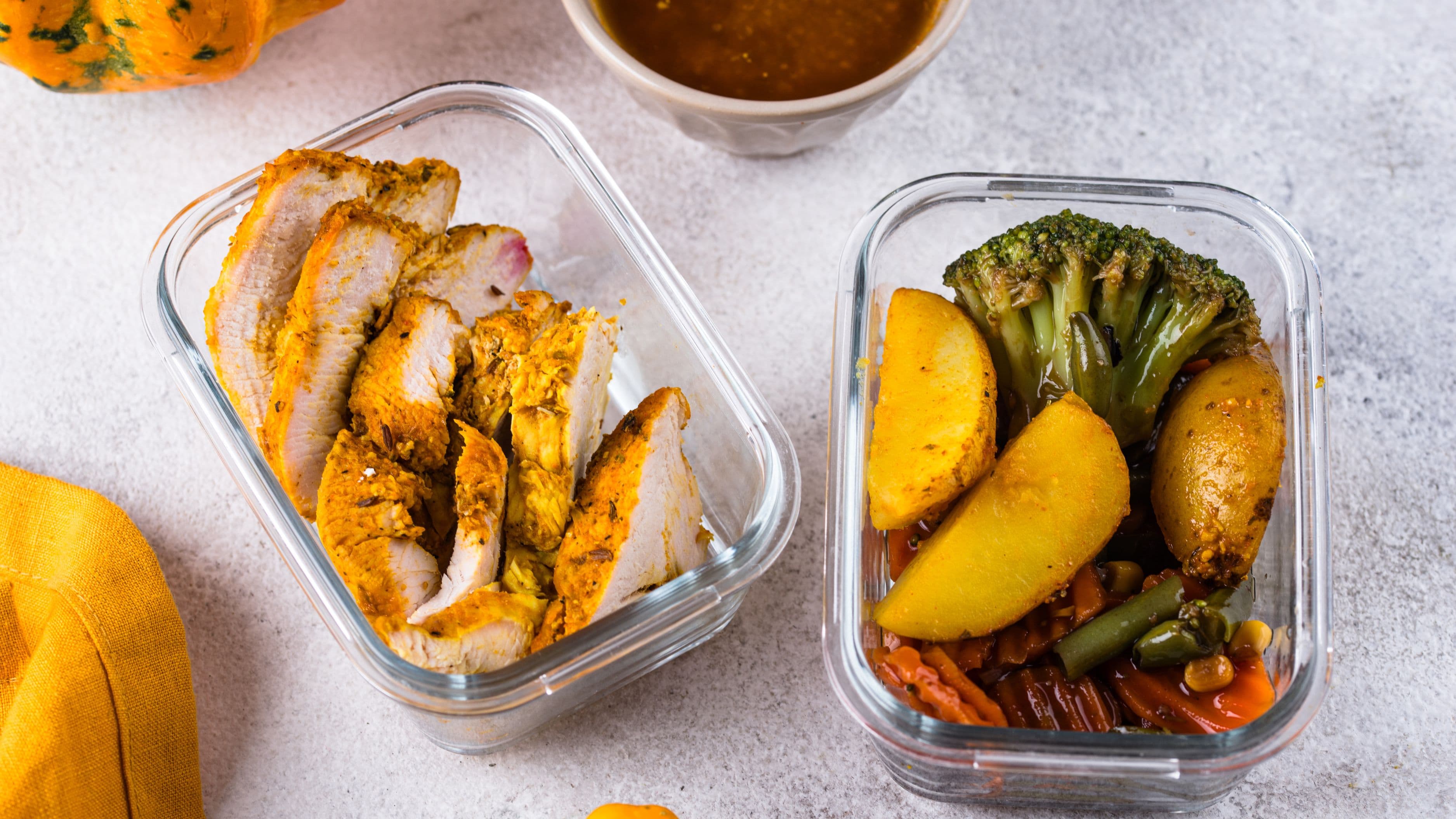
A whole chicken is the classic anchor. Roast it on Sunday, serve it as a full roast dinner, and use the remaining meat for tacos, a chicken salad, or a quick stir fry on Tuesday. The carcass becomes stock on Wednesday, which then becomes the base for a noodle soup on Thursday. One chicken, four meals, very little waste.
A batch of cooked chickpeas works the same way: a warm chickpea salad one night, a chickpea and tomato curry a second night, and smashed chickpea toast or a quick hummus that uses up the last of a lemon. A large batch of cooked brown rice anchors a grain bowl on Monday, fried rice on Wednesday using up leftover vegetables, and a rice salad for lunch on Friday.
Step 3: Plan Your "Use It Up" Meals for Thursday and Friday
The middle and end of the week are where most household food waste happens. By Thursday, the vegetable drawer has accumulated odds and ends – half a pepper, two mushrooms, a leek that needs to be used. Friday, if there's no plan, becomes takeout night because there's "nothing to eat" despite a fridge full of ingredients.
Plan deliberately for those days. Thursday's dinner is your "fridge clean-out" meal: fried rice, a frittata, a soup, or a pasta dish that accommodates whatever vegetables are left over from earlier in the week. These meals should be flexible in their recipe requirements rather than specific – fried rice works with almost any vegetable, frittatas absorb whatever fillings you have, pasta dishes are forgiving with ingredient combinations.
Friday can follow the same logic or become your one true flexible night. But knowing that Thursday is intentionally a use-it-up meal creates a weekly structure that systematically prevents the end-of-week waste that most people experience.
A Real Zero-Waste Week: How It Looks in Practice
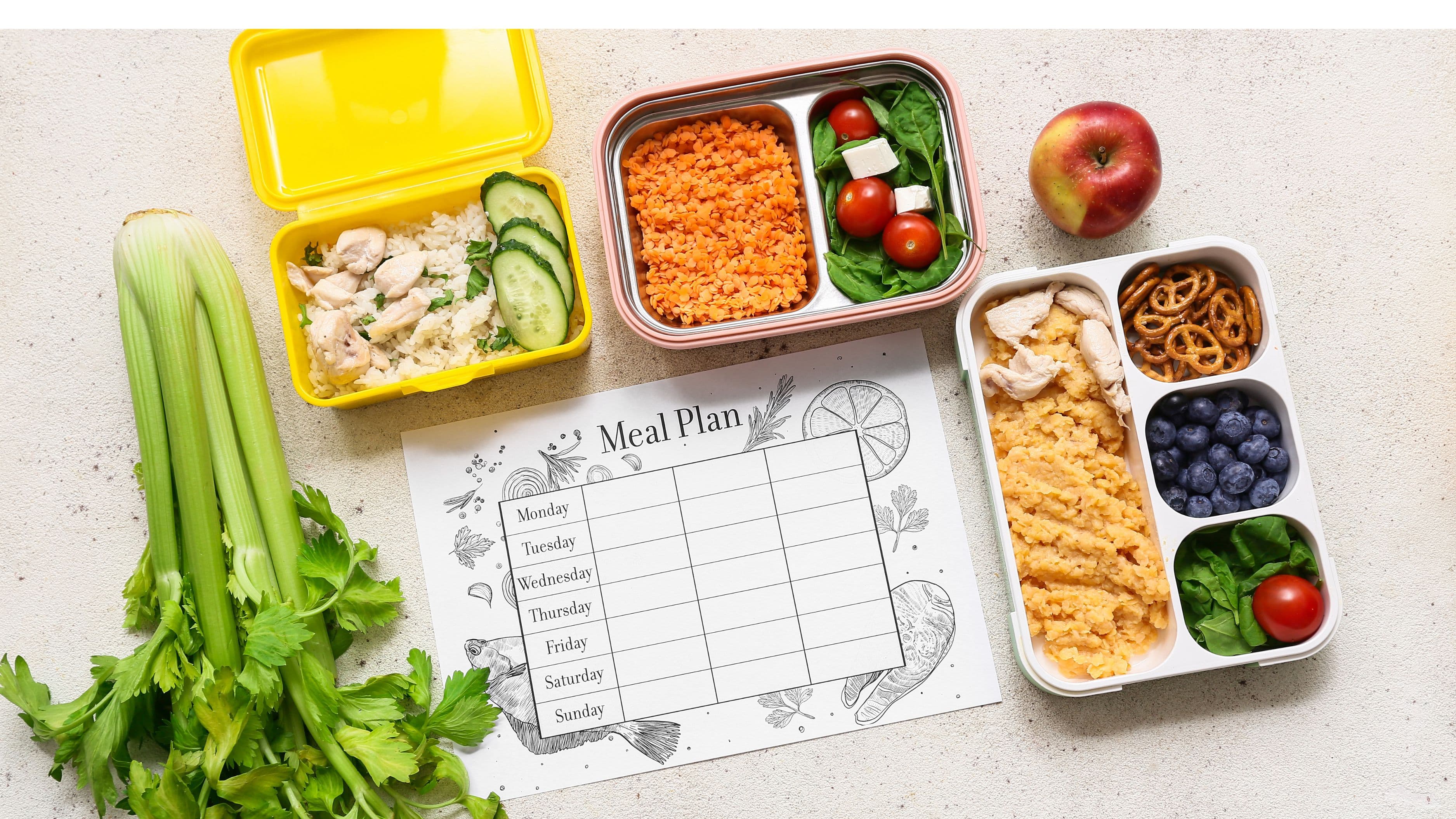
Here's a concrete example of how a zero-waste week actually flows, built around a small set of shared ingredients.
The shopping list anchors: One whole chicken, a bag of dried chickpeas (or two cans), a butternut squash, a bunch of kale, one bunch of flat-leaf parsley, a bag of brown rice, two lemons, one can of coconut milk, onions and garlic (pantry staples).
Sunday: Roast chicken with halved butternut squash and roasted onions. Use parsley as a finishing herb.
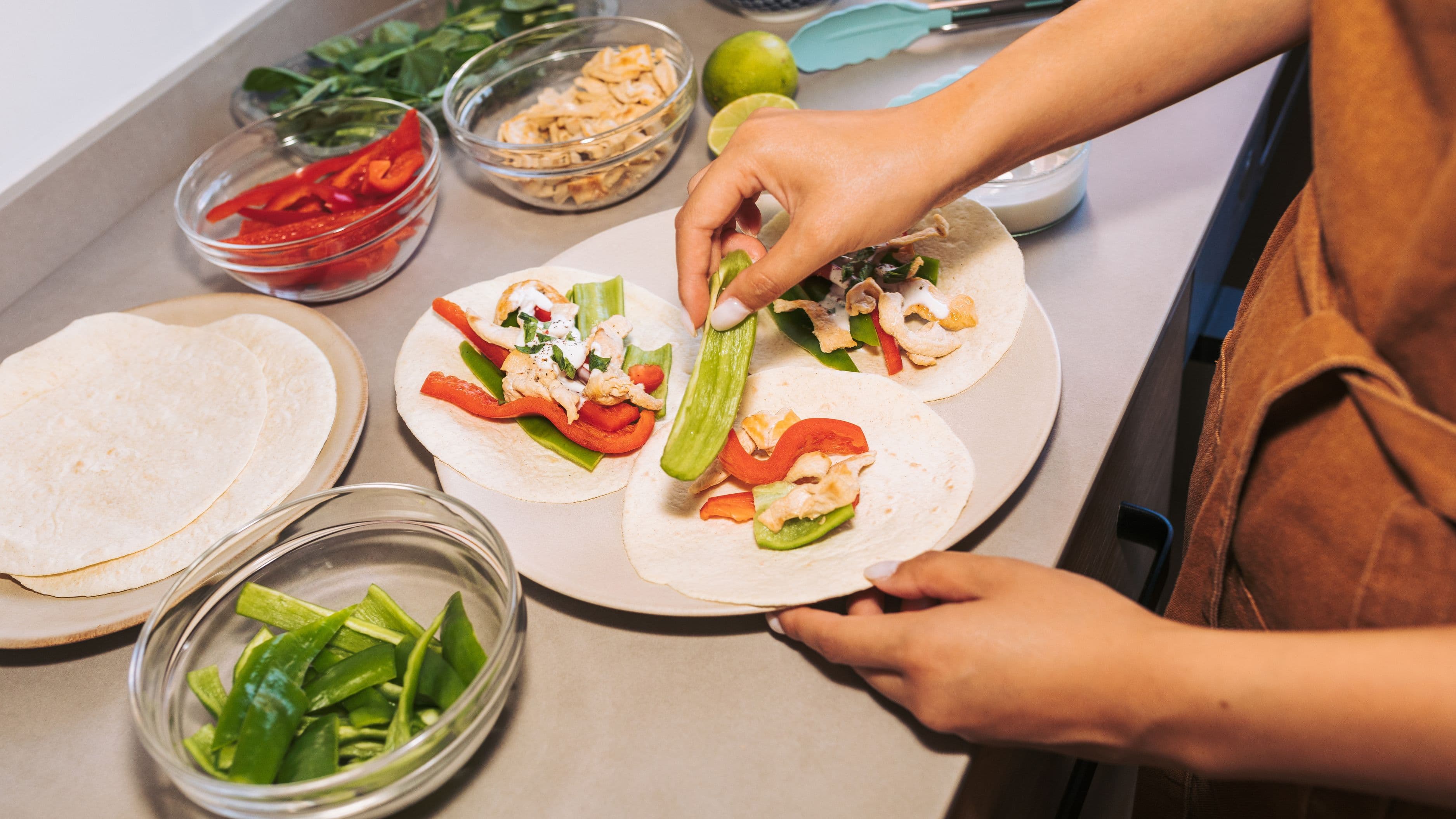
Monday: Chicken tacos using shredded leftover chicken, kale slaw with lemon and olive oil, pickled onion.
Tuesday: Butternut squash and chickpea coconut curry (using the second half of the squash and most of the coconut milk) with brown rice.
Wednesday: Chicken stock made from the carcass (30 minutes active time, simmers while you do other things). Chickpea and kale soup using the fresh stock, remaining kale, and chickpeas.
Thursday: Fried rice using leftover brown rice, any remaining vegetables, and a couple of eggs.
Friday: Leftover soup plus bread, or the remaining chickpeas made into a quick hummus with the second lemon.
What's notable about this week: the kale appears in three different contexts (slaw, soup, and potentially fried rice). The chicken does four jobs. The lemon is used twice. The coconut milk is fully used between the curry and a possible addition to the fried rice or a smoothie. The brown rice appears in two dinners and a possible lunch. Nothing on this list is wasted.
Time-Saving Tips
Pre-cut and store strategically. Wash and store herbs properly as soon as you get home – herbs wrapped loosely in a slightly damp paper towel and kept in a zip bag in the fridge last two to three times longer than herbs left in their original packaging. This alone prevents a significant amount of herb waste.
Cook grains in large batches once a week. A pot of rice, farro, or lentils on Sunday provides a base for multiple meals without additional cooking time. Cooked grains keep refrigerated for up to five days.
Keep a "use first" shelf in the fridge. Designate one shelf or a small container as the place where ingredients that need to be used soonest go – half an avocado, the remaining zucchini from a cut one, two tablespoons of tahini at the bottom of a jar. Making these visible prevents them from being forgotten.
Label open cans and containers. Half a can of tomatoes or coconut milk left unlabelled in the fridge disappears and eventually gets thrown away. A piece of masking tape with the contents and the date takes five seconds and saves the ingredient.
Mistakes to Avoid
Planning meals with no ingredient overlap. A week of five completely different cuisines with no shared ingredients means buying small amounts of many things, most of which will only be partially used. Some variety is good; some ingredient continuity is better for waste reduction.
Buying fresh herbs for a single recipe. Herbs are one of the most common sources of food waste in home kitchens. Either buy a small pot of living herbs (which lasts weeks), choose dried herbs for the dish in question, or plan a second use for the herb before you buy it.
Overbuying because something looked good. A zero-waste plan requires buying deliberately rather than optimistically. Two zucchinis you have a plan for are better than six zucchinis you bought because they were cheap. If something is genuinely irresistible, adapt the week's plan around it rather than adding it to an already-full list.
Not using the freezer. The freezer is the most powerful anti-waste tool in the kitchen and the most underused. Bread going stale, meat not being used before it turns, leftover cooked grains, the last quarter of a can of tomatoes – all of these can be frozen rather than wasted. A small habit of moving things to the freezer before they go bad eliminates a whole category of waste.
FAQ
How long does it take to do this kind of meal planning each week? Once you're in the habit, 15 to 20 minutes on a Sunday morning covers the week. The first few weeks take longer because you're building the mental model of how to link ingredients across meals. It becomes faster as the thinking patterns become automatic.
What if someone in the household doesn't like eating similar ingredients across multiple meals? The overlap doesn't have to be obvious. Kale in a slaw looks and tastes completely different from kale in a soup. Chicken in tacos tastes nothing like chicken in a stir fry. The shared ingredient is a logistical decision; the meals themselves are varied. Most people don't notice when the planning is done well.
Do I need to buy organic or special ingredients to make this work? No. Zero-waste meal planning is about how you use ingredients, not which ingredients you buy. The approach works equally well with conventional supermarket shopping and reduces your weekly food bill regardless of where you shop.
What do I do with the actual scraps – peels, stems, cores? Many scraps have uses: vegetable peelings and onion skins make good stock, parmesan rinds add depth to soups and stews, citrus zest can be frozen and used in baking or sauces, stale bread becomes breadcrumbs. Composting is the right destination for anything that genuinely has no culinary use – it's not waste if it returns to the soil.
Is zero-waste cooking more expensive? Usually the opposite. Buying whole vegetables rather than pre-cut is almost always cheaper per portion. Reducing food waste directly reduces grocery spending. Planning meals that share ingredients means buying fewer total items. Most households that try zero-waste planning for a month find their weekly grocery spend decreases meaningfully.
📚 Sources
USDA – Food waste in the United States: https://www.usda.gov/foodwaste/faqs
ReFED – Insights engine on household food waste: https://refed.org/food-waste/the-problem/
Bon Appétit – How to use every part of a vegetable: https://www.bonappetit.com/story/how-to-use-whole-vegetables
The Kitchn – How to store fresh herbs properly: https://www.thekitchn.com/the-best-way-to-store-fresh-herbs-tips-from-the-kitchn-193056
Food52 – How to cook a whole chicken and use every part: https://food52.com/blog/25381-how-to-use-a-whole-chicken